

Choosing the right design for your custom apparel can feel overwhelming when you’re faced with endless creative possibilities. Direct-to-Film printing opens doors to vibrant, intricate designs that traditional methods struggle to match, but knowing where to start requires understanding what makes a DTF design truly exceptional. Whether you’re launching a small apparel line or creating limited-edition merchandise for your art brand, mastering the criteria for successful DTF designs and exploring proven creative concepts will help you produce standout products that customers love and wear proudly.
Table of Contents
- Key takeaways
- Key criteria for great DTF designs
- Creative DTF design ideas and applications
- Comparing DTF to other printing methods on creative designs
- Ensuring durability and quality in your DTF designs
- Explore premium DTF transfer solutions
- FAQ
Key Takeaways
| Point | Details |
|---|---|
| DTF design criteria | Designs must meet 300 DPI minimum, use CMYK color mode, and supply vector files or high resolution PNGs with transparent backgrounds to ensure crisp, vibrant prints. |
| Pre press and color management | Prepare files with at least 0.125 inch bleed, avoid tiny fonts, and run test prints on your target fabric after washing to remove sizing that can interfere with adhesion. |
| Creative DTF design ideas | DTF enables photo realistic portraits, layered textures, bold typography, and other complex visuals in a single pass for cost effective production. |
| DTF advantages over screen printing | DTF offers unlimited colors in one pass and can be more economical for small batches while delivering durable results on diverse fabrics. |
Key criteria for great DTF designs
Creating successful DTF transfers starts with understanding the technical requirements that ensure your designs translate beautifully from screen to fabric. Design best practices require 300 DPI minimum resolution, CMYK color mode for accurate color reproduction, and vector files or high-resolution PNGs with transparent backgrounds. These specifications aren’t arbitrary, they directly determine whether your final print appears crisp and vibrant or blurry and dull.
Your file preparation makes or breaks the printing process. Avoid thin lines and fonts smaller than 1 point because they often disappear during the powder application and curing stages. Include bleed margins of at least 0.125 inches around your design and maintain safe zones to prevent important elements from getting cut during trimming. These seemingly small details protect your creative vision from technical mishaps that waste time and materials.
Pro Tip: Always run test prints on your actual target fabric before committing to large production runs, and prep fabrics by washing them to remove sizing chemicals that interfere with adhesion.
Pre-press considerations deserve equal attention to design quality. The DTF transfer workflow involves precise powder application, correct heat press temperature, and appropriate pressure settings that vary by fabric weight and composition. Skipping proper powder distribution creates uneven adhesion, while incorrect temperature causes either incomplete bonding or scorching. Understanding these variables transforms your design files into professional-grade products.
Color management requires special attention because monitors display RGB while printers use CMYK. Converting your files to CMYK before printing prevents unexpected color shifts that disappoint customers. Bright neons and certain blues often shift during conversion, so preview your CMYK files carefully and adjust saturation levels to compensate for any dulling that occurs in translation.
Creative DTF design ideas and applications
DTF printing unlocks creative possibilities that were previously cost-prohibitive or technically impossible for small producers. Photo-realistic portraits and layered mixed media designs showcase DTF’s ability to reproduce intricate details and smooth color gradients that make designs pop against any fabric color. Unlike screen printing, which requires separate screens for each color, DTF handles unlimited colors in a single pass, making complex artwork economically viable even for small batches.
Textured gradients and watercolor effects translate beautifully through DTF technology because the printing process captures subtle color transitions that other methods flatten or lose entirely. Bold typography with custom lettering styles, vintage distressed logos, and geometric patterns all benefit from DTF’s precision. The key advantage lies in combining multiple design elements, like layering a photo background with vector typography and texture overlays, without increasing production costs or complexity.
Beyond traditional t-shirts, DTF transfers work exceptionally well on diverse products:
- Tote bags and canvas accessories that need durable, washable designs
- Structured hats and caps using specialized curved press attachments
- Performance activewear and athletic jerseys on moisture-wicking polyester
- Custom stickers and patches for jackets or bags
- Home goods like pillowcases and decorative fabric items
High-stretch materials require design adjustments to prevent cracking during wear. Keep critical design elements away from high-flex zones like underarms and side seams. Use high-stretch adhesive powders specifically formulated for spandex blends and athletic fabrics. Following DTF printing industry trends helps you stay ahead of customer preferences and emerging product categories.
Brainstorming unique DTF product ideas becomes systematic with this approach:
- Identify your target audience’s lifestyle and aesthetic preferences
- Research current design trends in your niche using social platforms and competitor analysis
- Sketch multiple concept variations combining different design styles
- Test market appeal with mockups before committing to production
- Iterate based on customer feedback and sales data
This structured process removes guesswork and helps you invest creative energy where it generates the strongest market response.
Comparing DTF to other printing methods on creative designs
Understanding where DTF excels compared to screen printing and direct-to-garment helps you choose the optimal method for your specific creative vision and production scale. DTF offers superior versatility for small runs compared to screen printing, which requires expensive setup costs that only make economic sense for bulk orders. The DTF market is projected to reach $2.89 billion in 2025, reflecting growing adoption among small businesses and independent creators who need flexibility without sacrificing quality.
Screen printing delivers unmatched durability and vibrant opacity on dark fabrics when producing hundreds or thousands of identical items. However, it struggles with photographic detail and color gradients that DTF handles effortlessly. DTG printing offers the softest hand feel on cotton garments but lacks DTF’s versatility across fabric types and often shows poor washability on polyester blends.
| Method | Best For | Color Limit | Minimum Order | Fabric Types | Durability |
|---|---|---|---|---|---|
| DTF | Small runs, multicolor, detail | Unlimited | 1 piece | All fabrics | 40-100 washes |
| Screen | Bulk orders, solid colors | 1-6 practical | 50-100 pieces | Cotton, blends | 100+ washes |
| DTG | Cotton, soft feel, photos | Unlimited | 1 piece | Cotton best | 20-50 washes |
Pro Tip: Choose DTF when you need vibrant multicolor designs on polyester, small batch production, or the flexibility to test multiple designs without setup penalties.
Fabric considerations heavily influence method selection. DTF bonds well to synthetic materials where DTG fails completely, making it ideal for athletic wear and performance fabrics. DTF versus screen printing comparisons often overlook this critical advantage, focusing only on cotton applications where both methods perform well. If your product line spans multiple fabric types, DTF eliminates the need to maintain separate printing capabilities for different materials.
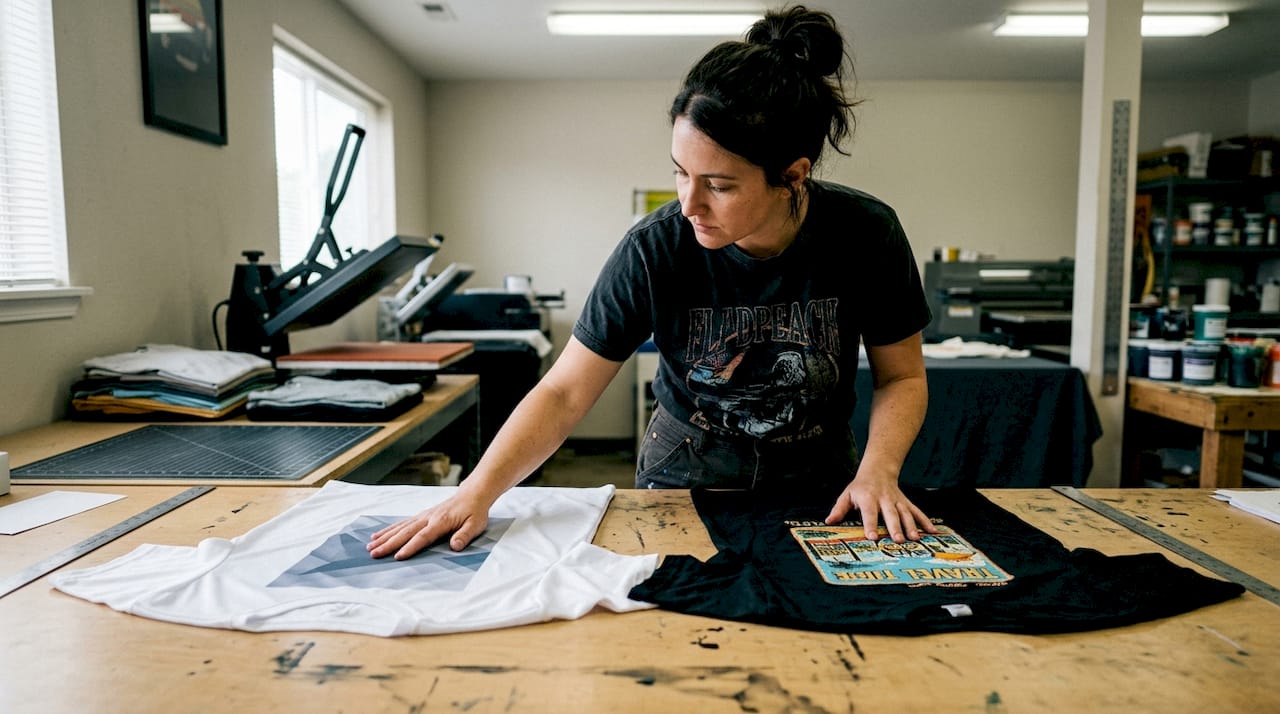
The creative freedom DTF provides changes how you approach design entirely. You can offer customers unlimited color options and intricate custom artwork without worrying about per-color charges or setup fees eating into margins. This flexibility enables personalization at scale, letting you serve both one-off custom orders and small production runs with identical per-unit economics.
Ensuring durability and quality in your DTF designs
Durability determines whether your creative designs become customer favorites or one-wash disappointments. DTF prints last 40 to 100+ washes depending on fabric type, with cotton delivering the longest lifespan at 80-100 washes and polyester blends achieving 50-70 cycles. Testing shows DTF survives 50 wash cycles while outperforming DTG and matching screen printing durability when applied correctly.
Fabric quality impacts longevity as much as printing technique. Premium ring-spun cotton holds transfers better than cheaper open-end cotton because tighter weaves provide more surface area for adhesion. Pre-shrunk fabrics prevent the dimensional changes that stress transfer bonds and cause premature cracking. Investing in quality blanks protects your creative work and reduces warranty claims that damage your reputation.
Implement these practices to maximize print lifespan:
- Use premium DTF films and inks designed for your specific fabric types
- Conduct wash tests on sample prints before full production runs
- Cure transfers at manufacturer-recommended temperatures for full adhesive activation
- Inspect finished products for proper adhesion before shipping to customers
- Provide care instructions recommending inside-out washing in cold water
Material quality extends beyond the fabric itself to the transfer components. Low-quality adhesive powders create weak bonds that fail quickly, while inferior inks fade after minimal sun exposure. The cost savings from cheap supplies disappear rapidly when customer returns and negative reviews damage your brand. Sourcing from reputable suppliers ensures consistent results that build customer loyalty.
DTF prints survive 50+ wash cycles in controlled testing, outperforming DTG and matching screen printing when properly applied and cared for.
Gentle wash care instructions significantly extend print life. Recommend customers wash garments inside out in cold water, avoid bleach and fabric softeners that break down adhesives, and tumble dry on low heat or air dry when possible. High heat and aggressive detergents accelerate fading and cracking regardless of printing method. Clear care tags or hang tags educate customers and set appropriate expectations.
Follow-up quality inspections catch issues before they reach customers. Check for complete powder adhesion, proper color saturation, and clean edges without residue. The DTF transfer troubleshooting guide helps identify and correct common defects like incomplete curing, powder contamination, and pressure inconsistencies that compromise durability. Systematic quality control protects your investment in creative design work.
Explore premium DTF transfer solutions
Bringing your creative DTF designs to life requires a reliable partner who understands both technical precision and artistic vision. Transfer Kingz specializes in high-quality DTF transfers that transform your digital artwork into vibrant, durable custom apparel and merchandise. Whether you’re producing limited-edition art prints on tote bags or launching a full apparel line, their platform supports your creative ambitions with premium inks, films, and straightforward application methods.
Their gang sheet builder eliminates minimum order requirements, giving you the freedom to test multiple designs or produce small batches without financial penalties. Quick turnaround times mean your creative ideas reach customers faster, while their educational resources help you avoid common pitfalls and achieve professional results. Small businesses and independent artists find a true partner in Transfer Kingz, where product quality, affordability, and customer support combine to help your creative vision succeed in the competitive custom apparel marketplace.
FAQ
What file formats work best for DTF designs?
Vector files like AI or EPS deliver the sharpest results because they scale infinitely without losing quality. High-resolution PNGs with transparent backgrounds work excellently for photographic or raster-based designs. Always ensure your files use CMYK color mode and maintain at least 300 DPI resolution for professional print quality.
Can DTF prints be applied on fabrics other than cotton?
DTF works beautifully on cotton, polyester, blends, and even challenging synthetics where other methods fail. Each fabric type requires appropriate adhesive powder formulations to ensure strong bonding. Stretchy athletic fabrics need specialized high-stretch adhesive powders that flex with the material without cracking during wear.
How many wash cycles do DTF prints typically last?
DTF prints generally last 40 to 100 wash cycles depending on fabric quality and care practices. Cotton garments offer the longest durability at 80-100 washes, while polyester blends achieve 50-70 cycles. Proper application technique, quality materials, and gentle washing significantly extend print lifespan beyond these baseline figures.
Do I need special equipment to apply DTF transfers?
You need a heat press capable of reaching 300-320°F with even pressure distribution across the platen. Small businesses often start with clamshell presses, while higher-volume operations benefit from automatic or pneumatic models. A Teflon sheet protects your press and transfers during application, and a timer ensures consistent curing for reliable adhesion.
How do I prevent colors from looking different on fabric than on screen?
Convert all design files to CMYK color mode before printing because monitors display RGB, which shows brighter colors than printers can reproduce. Print color test swatches on your actual target fabrics to see how colors translate in practice. Adjust saturation and brightness in your design software to compensate for any dulling that occurs during CMYK conversion and printing.
Recommended
- DTF Design Process: Elevating Custom Apparel Printing – Transfer Kingz
- 7 Creative DTF Design Ideas for Apparel Success – Transfer Kingz
- DTF Printing for Business Branding: How Custom DTF Transfers Boost Sma – Transfer Kingz
- DTF Printing for Business Branding: How Custom DTF Transfers Boost Sma – Transfer Kingz
- Fitness merch design guide 2026: create custom gear – The Inner Sanctum Group
0 comments