

Every designer knows that finding one printing method that works flawlessly on both cotton and polyester can feel nearly impossible. For small brand owners, the right process means more than just great color: it saves time, reduces wasted materials, and builds customer trust. Understanding DTF transfers helps you achieve bold, durable prints across American streetwear or European performance gear, no matter your fabric or production scale.
Table of Contents
- Direct-to-Film Transfers Explained
- DTF Process Steps and Key Materials
- Choosing Fabrics for DTF Transfers
- Pricing, Turnaround, and Bulk Options
- Common DTF Application Mistakes to Avoid
Key Takeaways
| Point | Details |
|---|---|
| DTF Printing Advantages | DTF technology offers high color vibrancy and excellent durability across various fabric types, making it suitable for small batch and on-demand production. |
| Technical Process | The DTF printing process involves multiple precise steps, including film printing, powder application, and heat transfer, requiring attention to detail for optimal results. |
| Fabric Compatibility | A wide range of fabrics, including cotton and polyester, can be used with DTF transfers, impacting print quality and design fidelity. |
| Common Mistakes | Avoid common errors such as incorrect temperature settings and inadequate powder coverage to maintain print quality and ensure successful DTF applications. |
Direct-to-Film Transfers Explained
Direct-to-Film (DTF) printing represents a revolutionary method for creating custom apparel designs with exceptional versatility and quality. Unlike traditional printing techniques, DTF transfers leverage specialized printing technology that enables designers and small business owners to produce vibrant, durable prints across multiple fabric types.
The DTF process involves several precise technical steps that transform digital artwork into wearable designs:
- Printing design onto specialized PET film using CMYK and white inks
- Applying hot-melt adhesive powder to the printed film
- Curing the powder through controlled heat application
- Transferring the design onto fabric using a heat press
This method offers significant advantages over traditional printing techniques. DTF transfers can be applied to diverse fabric compositions, including:
Here’s a comparison of DTF printing to other common apparel printing methods:
| Printing Method | Color Vibrancy | Fabric Compatibility | Durability |
|---|---|---|---|
| DTF (Direct-to-Film) | High, vivid colors | Works on most fabrics | Excellent wash resistance |
| DTG (Direct-to-Garment) | Good, depends on fabric | Best for cotton | Moderate durability |
| Screen Printing | Solid, strong colors | Best on flat surfaces | High longevity |
| Sublimation | Extremely vibrant | Only synthetic fabrics | Good if handled properly |
- 100% Cotton materials
- Polyester fabrics
- Silk textiles
- Blended fabric compositions
Unlike Direct-to-Garment (DTG) printing, DTF technology provides remarkable flexibility. Small clothing brands can now produce intricate designs with consistent color vibrancy and wash resistance, regardless of fabric color or material complexity.
DTF printing democratizes high-quality custom apparel production by reducing technical barriers and equipment costs.
Color reproduction and print durability stand out as primary benefits of DTF transfers. The method allows for crisp, detailed designs that maintain their integrity through multiple wash cycles, making it ideal for small batch and on-demand merchandise production.
Pro tip: Always pre-heat your transfer film and test application temperatures to ensure optimal design transfer and fabric adhesion.
DTF Process Steps and Key Materials
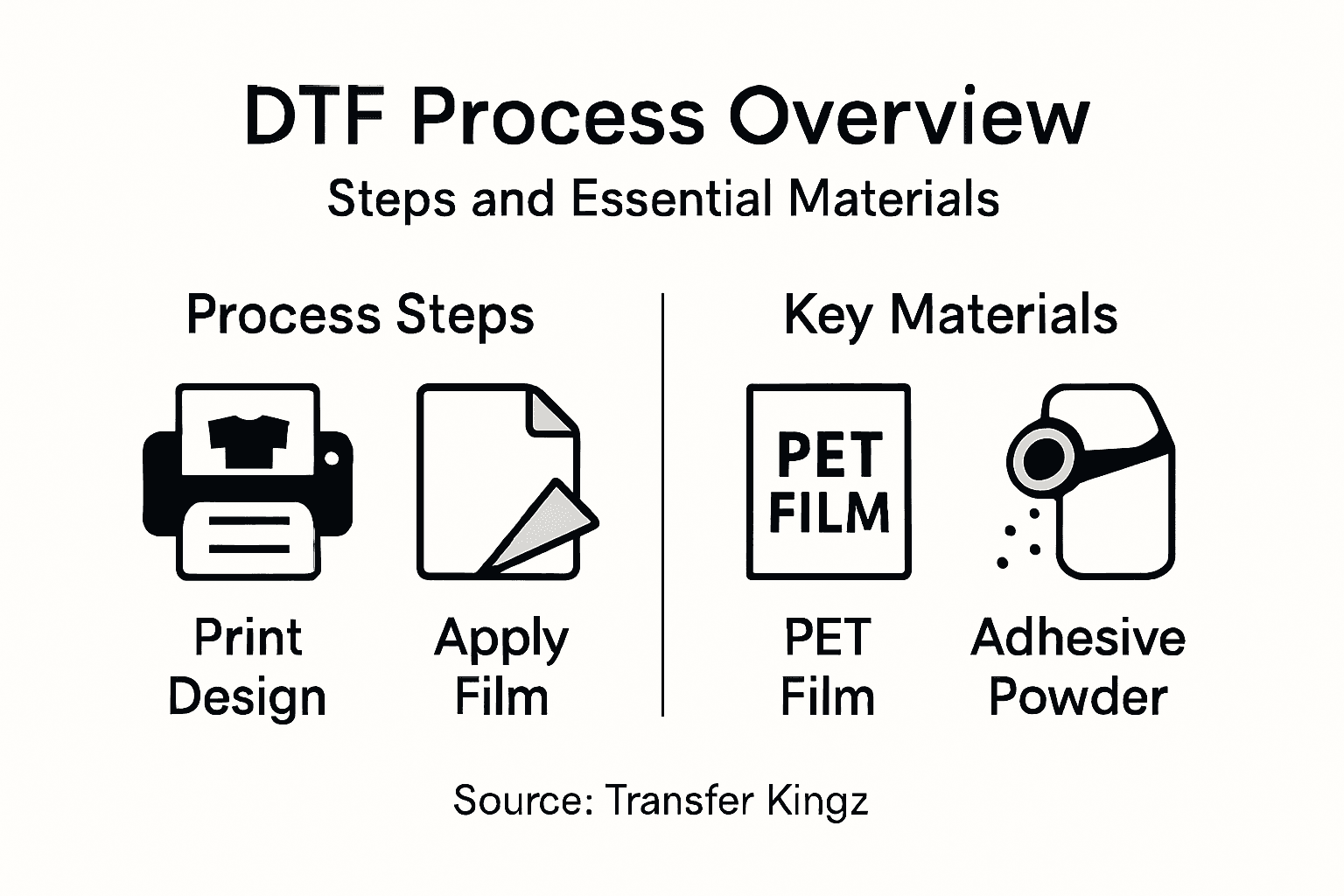
The Direct-to-Film (DTF) printing process is a sophisticated workflow that transforms digital designs into high-quality custom apparel. Each stage of the DTF workflow demands precision and specific technical expertise, with multiple critical components working together to ensure exceptional print results.
Key materials for successful DTF printing include:
- PET Film: Specialized transparent carrier sheet
- CMYK Pigment Inks: Advanced color reproduction inks
- White Ink: Essential for creating vibrant underbase
- Hot-Melt Adhesive Powder: Critical for design transfer
- RIP Software: Color management and design preparation tool
The DTF printing workflow follows a systematic sequence of steps:
- Design Preparation
- Digital Design Processing
- Film Printing
- Powder Application
- Adhesive Curing
- Heat Transfer
- Final Design Finishing
Printing Technology plays a crucial role in achieving professional-grade results. Specialized DTF printers equipped with precise ink delivery systems ensure accurate color reproduction and design clarity.
Successful DTF printing requires understanding the intricate balance between technical equipment and material quality.
Understanding the nuanced interactions between inks, films, and adhesive powders enables designers to produce consistent, durable custom apparel with remarkable color vibrancy and wash resistance.
Pro tip: Invest in high-quality RIP software to optimize color management and design preparation for superior DTF transfer results.
Choosing Fabrics for DTF Transfers
Designing custom apparel requires understanding how different fabric types interact with Direct-to-Film (DTF) transfer technology. Fabric selection plays a critical role in achieving vibrant, durable prints, with each material presenting unique characteristics that impact transfer quality.
DTF printing offers remarkable versatility across various fabric compositions:
- 100% Cotton: Soft hand feel, excellent color absorption
- Polyester: Vibrant colors, strong durability
- Poly-Cotton Blends: Balanced performance
- Canvas: Textured, heavyweight material
- Performance Fabrics: Ideal for activewear
Fabric selection involves considering multiple critical factors:
- Fiber Composition
- Weave Density
- Surface Texture
- Intended Garment Use
- Wash Durability Requirements
Fabric Interactions with DTF transfers depend on multiple technical variables. Polyester requires careful heat management to prevent dye migration, while natural fibers like cotton provide superior adhesive absorption and soft print results.
Understanding fabric nuances is key to achieving professional-grade DTF transfer outcomes.
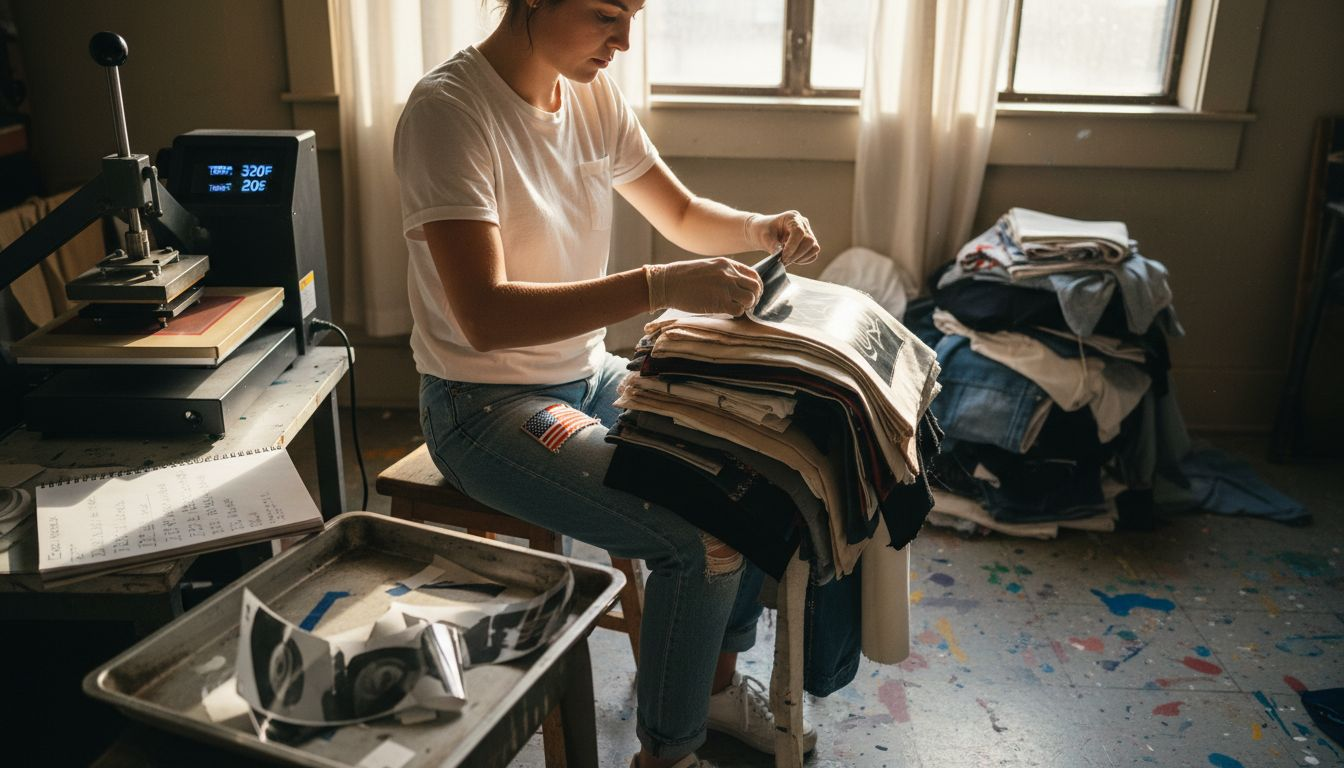
Proper fabric preparation involves testing transfer settings, considering material thickness, and selecting appropriate heat press temperatures to ensure optimal design adhesion and longevity.
Pro tip: Always conduct small-scale fabric tests to determine the ideal transfer settings and validate print quality before full production runs.
Pricing, Turnaround, and Bulk Options
Custom apparel production demands strategic approaches to pricing, turnaround times, and order quantities that balance quality with cost-effectiveness. Bulk DTF transfers provide significant economic advantages for businesses looking to optimize their merchandise production workflows.
Pricing strategies for DTF transfers typically involve several key considerations:
- Quantity Discounts: Lower per-unit costs for larger orders
- Complexity-Based Pricing: Design intricacy impacts transfer cost
- Material Selection: Different fabrics affect transfer pricing
- Minimum Order Requirements: Volume thresholds for special rates
Key factors influencing bulk transfer pricing include:
- Total Transfer Quantity
- Design Complexity
- Color Count
- Turnaround Time
- Customization Level
Order Scalability plays a crucial role in determining overall production economics. Small businesses can leverage bulk pricing to reduce per-unit expenses while maintaining high-quality output.
Strategic bulk ordering enables businesses to minimize production costs while maximizing design flexibility.
Turnaround times vary based on order size, design complexity, and current production schedules. Most DTF transfer providers offer tiered processing options ranging from standard production to expedited services.
Pro tip: Negotiate volume-based pricing and discuss potential customized package options that align with your specific production requirements.
Common DTF Application Mistakes to Avoid
DTF transfer success hinges on precision and attention to critical technical details that can significantly impact print quality and durability. Even experienced designers and small business owners can encounter challenges that compromise their custom apparel production.
Most common DTF application mistakes include:
- Incorrect Temperature Settings: Failing to calibrate heat press accurately
- Poor Film Preparation: Neglecting proper film handling and storage
- Inadequate Powder Coverage: Uneven adhesive application
- Rushed Transfer Process: Skipping critical pre-press and post-press steps
- Fabric Selection Errors: Using incompatible textile materials
Critical errors that compromise DTF transfer quality involve:
- Inconsistent Heat Application
- Improper Pressure Calibration
- Contaminated Transfer Surfaces
- Overlooking Fabric Pre-Treatment
- Ignoring Manufacturer Specifications
Technical Precision remains the cornerstone of successful DTF transfers. Small deviations in temperature, pressure, or technique can result in significant print defects.
Professional DTF transfers demand meticulous attention to every procedural detail.
Understanding the nuanced interactions between transfer films, adhesive powders, and fabric substrates enables designers to avoid costly production mistakes and maintain consistently high-quality results.
Pro tip: Maintain a detailed log of transfer settings for each fabric type to quickly replicate successful applications and troubleshoot potential issues.
Below is a summary reference for key factors affecting DTF transfer quality:
| Factor | Impact on Print | Action to Maximize Quality |
|---|---|---|
| Heat Press Temperature | Influences design adhesion | Calibrate for each fabric type |
| Adhesive Powder Coverage | Affects durability | Ensure even, complete application |
| Fabric Selection | Determines final look | Test compatibility before production |
| Digital Design Quality | Impacts color precision | Use high-resolution artwork |
Master Flawless DTF Application with Transfer Kingz
Achieving perfect custom apparel using Direct-to-Film transfers requires precision, the right materials, and expert guidance. This article highlights common challenges such as incorrect temperature settings, poor adhesive powder coverage, and fabric compatibility issues that can seriously affect print quality and durability. If you want vibrant, long-lasting designs that withstand multiple washes and simplify your production process, the solution is within reach.
DTF transfers, custom apparel printing, heat transfers, t-shirt printing, high-quality prints. – Transfer Kingz 
Explore our premium DTF transfers crafted for consistent adhesion and vivid colors on a wide range of fabrics. Whether you are a hobbyist or running a bustling production shop, Transfer Kingz offers fast turnaround times, no minimum orders, and expert support including comprehensive application guidelines. Take control of your custom apparel projects today and avoid common pitfalls by choosing our trusted printing solutions at https://www.transferkingz.com/. Start creating flawless designs now and elevate your brand with quality and confidence.
Frequently Asked Questions
What is Direct-to-Film (DTF) printing?
DTF printing is a method of creating custom apparel designs by printing directly onto a specialized PET film, which is then transferred onto fabric using heat and adhesive powder. This process ensures vibrant colors and durable prints across various fabric types.
How does DTF printing compare to other printing methods like DTG and screen printing?
DTF printing offers high color vibrancy, excellent fabric compatibility, and superior durability compared to DTG, which is optimal for cotton fabrics but has moderate durability. In contrast, screen printing provides strong colors but is best for flat surfaces.
What are the key materials needed for successful DTF printing?
Key materials for DTF printing include PET film for transferring designs, CMYK pigment inks for color reproduction, white ink for underbase layers, hot-melt adhesive powder for adhesion, and RIP software for design preparation and color management.
What common mistakes should be avoided when applying DTF transfers?
Common mistakes to avoid include incorrect temperature settings during heat application, poor film preparation, inadequate adhesive powder coverage, rushing through the transfer process, and using incompatible fabric types.
Recommended
- 7 Creative DTF Design Ideas for Apparel Success – Transfer Kingz
- How dtf shirt transfers are Revolutionizing Custom Apparel – Transfer Kingz
- dtf transfer workflow for flawless custom prints – Transfer Kingz
- DTF Transfer Industry Trends: Shaping Apparel 2026 – Transfer Kingz
- The Facts About Custom Gear You Need to Know - Combatra
- How to Make Personalized Blankets for Unique Gifts – FunLifeNow
0 comments