

TL;DR:
- Textile substrates are the foundational materials on which coatings, finishes, or printing processes are applied, directly influencing adhesion and durability. The choice between natural fibers like cotton and synthetic fibers such as polyester, along with fabric structure, determines print performance, especially in digital textile printing like DTF. Selecting and preparing the correct substrate is essential for achieving high-quality, long-lasting results in custom apparel and merchandise production.
A textile substrate is the base fabric or material on which coatings, finishes, or printing are applied to achieve specific performance characteristics in textiles and related products. Every custom T-shirt, branded hoodie, or decorated tote bag starts with a substrate decision that shapes everything downstream: how ink bonds, how color holds after washing, and how long the finished piece lasts. Whether you are a small business ordering DTF transfers or a production shop scaling custom merchandise, understanding what textile substrates are gives you a real competitive edge in material selection and print quality.
What are textile substrates and why do they matter?
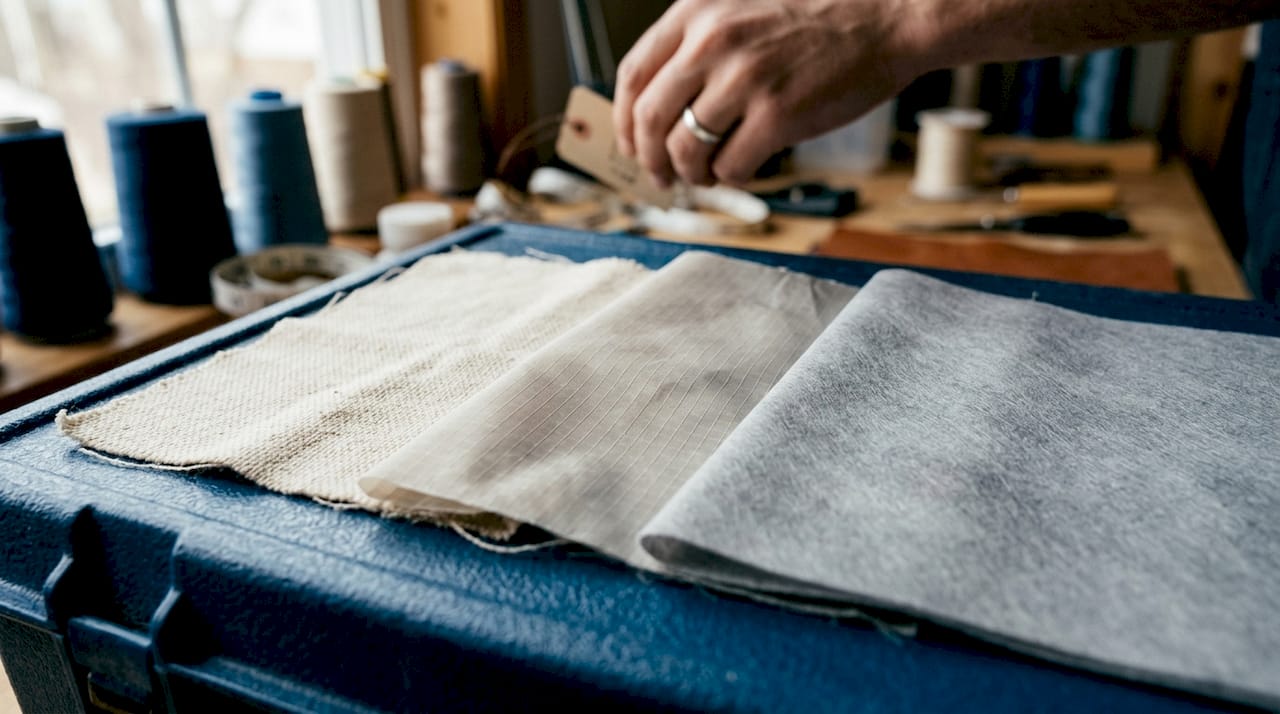
A textile substrate is defined as the foundational base material to which functional coatings, treatments, or print layers are applied, with substrate choice directly affecting adhesion, durability, and final performance. The term “textile substrate” is the recognized industry term used across coating science, digital printing, and apparel manufacturing. You may also hear it called a “base fabric” or “carrier textile,” but in technical contexts, substrate is the precise word.
Substrate selection matters because no two fabrics behave the same way under ink, heat, or chemical finishes. A 100% cotton jersey absorbs water-based inks readily, while a polyester woven shell repels moisture and requires surface activation to hold coatings. These differences are not cosmetic. They determine whether a print peels after five washes or survives fifty. For anyone in custom apparel or merchandise decoration, the substrate is not background information. It is the starting point of every production decision.
What are the main types of textile substrates?
Textile substrates divide into two primary categories: fiber composition and structural format. Both dimensions affect how a fabric performs in printing and finishing.
Natural vs. synthetic fiber substrates
Natural fiber substrates include cotton, hemp, and linen. Cotton is the most widely used substrate in custom apparel because its hydrophilic surface absorbs water-based inks and DTF adhesives readily, producing vivid color and strong wash fastness. Hemp and linen offer similar absorbency but with coarser surface textures that can affect fine-detail print reproduction.
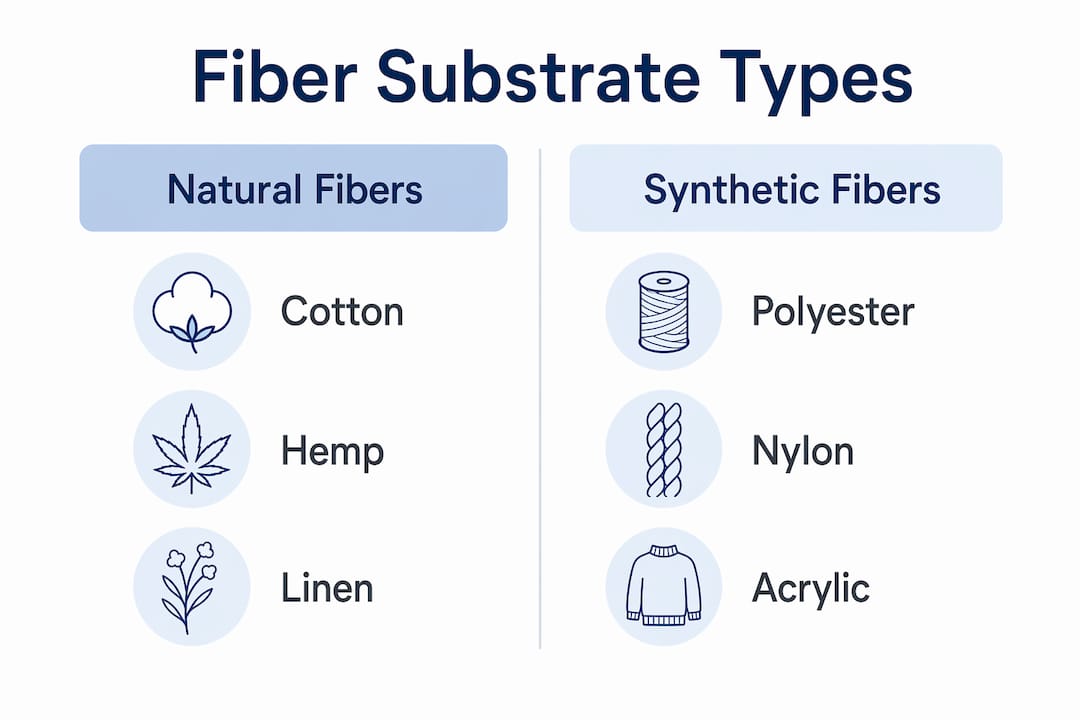
Synthetic fiber substrates include polyester, nylon, and acrylic. Polyester is the dominant synthetic substrate in performance apparel and activewear. Its low moisture regain and smooth surface create adhesion challenges for sol-gel coatings compared to polyamide substrates, which have higher surface reactivity. Nylon sits between cotton and polyester in terms of surface chemistry, making it more receptive to certain coatings than polyester but less common in mass-market apparel decoration.
Structural formats: woven, knit, and nonwoven
Beyond fiber type, the physical structure of the substrate determines how coatings and inks penetrate and bond. Woven fabrics have interlocked warp and weft threads, creating a stable, low-stretch surface that suits screen printing and flat coating applications. Knit fabrics have looped structures that stretch in multiple directions, which is why they dominate T-shirt and activewear production but require flexible ink systems that move with the fabric. Nonwoven substrates, such as felt or spunbond polypropylene, are bonded by heat or chemical means rather than weaving or knitting, and they appear frequently in industrial textiles and disposable garments.
| Substrate type | Key properties | Typical applications |
|---|---|---|
| Cotton woven | High absorbency, stable, breathable | T-shirts, canvas totes, workwear |
| Polyester knit | Low moisture regain, stretch, wrinkle-resistant | Activewear, jerseys, performance tops |
| Nylon woven | Abrasion-resistant, moderate absorbency | Outerwear, bags, technical apparel |
| Nonwoven polypropylene | Lightweight, low cost, non-stretch | Disposables, filtration, craft projects |
| Coated/composite fabric | Multi-layer, enhanced functionality | Waterproof jackets, automotive interiors |
How do textile substrates affect printing and finishing?
Substrate surface chemistry is the single biggest variable in digital textile printing quality. Ink absorption, adhesion, and color vibrancy all depend on how the substrate interacts with the ink system, and digital textile printing is forecast to surpass 25% of total textile printing volume by 2035 as customization demand accelerates. That growth makes substrate literacy more valuable, not less.
Pre-treatment and surface preparation
Pre-treatment agents modify the substrate surface before printing to improve ink uptake and fix color. On cotton, pre-treatment typically involves a cationic agent that attracts negatively charged dye molecules. On polyester, the challenge is different: the surface is chemically inert, so surface modification techniques such as plasma treatment or chemical primers are used to create bonding sites for inks and coatings. Skipping pre-treatment on the wrong substrate is one of the most common causes of poor wash fastness in custom apparel.
How substrate structure controls coating penetration
Weave density and fiber chemistry critically affect how deep a coating penetrates into the fabric structure, and small variations in substrate construction can determine whether a polymer coating sits on the surface or bonds into the fiber matrix. Surface-sitting coatings crack and peel faster. Coatings that penetrate and bond last significantly longer. This is why two T-shirts with identical GSM weights can produce dramatically different print durability results if their weave structures differ.
Key factors that influence substrate-print compatibility:
- Fiber hydrophilicity: Cotton and hemp absorb water-based inks readily; polyester and nylon require surface activation or specialized ink chemistry.
- Surface texture: Smooth substrates like tightly woven polyester produce sharper detail; textured surfaces like fleece or terry cloth diffuse ink edges.
- Stretch and recovery: High-stretch knits require flexible ink systems, such as DTF transfers, that move with the fabric without cracking.
- Thermal stability: Heat-sensitive substrates like certain nylons can distort during heat press application if temperature is not calibrated to the substrate.
- Chemical reactivity: Substrates with low surface energy, such as polyester, resist adhesion from standard coatings and require primers or plasma activation.
Pro Tip: When ordering DTF transfers for a new fabric, always test a small run on the actual substrate before committing to full production. A transfer that performs perfectly on 100% cotton may lift at the edges on a polyester-cotton blend if the heat press temperature is not adjusted for the substrate’s thermal properties.
What are composite textile substrates and their applications?
Composite textile substrates are multi-layer integrated materials that combine a base fabric with films, foams, adhesives, or bonding layers to create textiles with performance characteristics no single-layer fabric can achieve. The base fabric provides structural integrity, while the added layers contribute waterproofing, insulation, chemical resistance, or other functional properties.
Coated fabrics using PVC, neoprene, and polyurethane are the most common composite substrate types in commercial use. PVC-coated fabrics appear in outdoor furniture, truck tarps, and industrial protective clothing. Polyurethane-coated fabrics dominate performance outerwear because they combine waterproofing with breathability. Neoprene composites are used in wetsuits and protective gear where flexibility and thermal insulation are both required.
Industries that rely on composite substrates
Aerospace and automotive manufacturers use composite textile substrates for interior panels, seat covers, and insulation layers where weight, durability, and fire resistance all matter simultaneously. The apparel industry uses laminates and bonded fabrics in technical outerwear, sportswear, and medical garments. In custom merchandise and decoration, composite substrates appear in structured bags, patches, and embroidered emblems where a base fabric is bonded to a stiffening layer.
| Composite type | Construction | Primary applications |
|---|---|---|
| PVC-coated fabric | Woven base with PVC film | Tarps, outdoor furniture, signage |
| Polyurethane laminate | Knit or woven with PU membrane | Waterproof jackets, sportswear |
| Neoprene composite | Foam core with fabric face | Wetsuits, laptop sleeves, protective gear |
| Tufted fabric | Pile yarns inserted into backing | Carpets, automotive interiors |
| Poromeric membrane | Microporous film on textile base | Breathable medical and military textiles |
Sustainability is a real tension in composite substrates. The added functionality extends product life, which reduces replacement frequency and total resource consumption. However, multi-layer constructions are significantly harder to recycle at end of life because separating bonded layers requires energy-intensive processes that most recycling facilities cannot handle.
How does sustainability factor into substrate choices?
Substrate selection extends beyond composition to lifecycle resource and waste impacts, including how well coatings survive laundering and how quickly a garment needs replacing. A substrate that degrades quickly under washing cycles generates more waste than a durable one, even if the durable option uses more energy in production.
Natural fibers like cotton and hemp are biodegradable, but conventional cotton production is water-intensive and relies heavily on pesticides. Synthetic fibers like polyester have a lower water footprint in production but shed microplastics during laundering and are derived from petroleum. Neither category is automatically the sustainable choice. The decision depends on end use, expected product life, and the finishing chemistry applied.
Practical considerations for sustainable substrate selection:
- Prioritize recycled content: Recycled polyester (rPET) from post-consumer plastic bottles reduces virgin petroleum use without sacrificing the performance properties that make polyester valuable in activewear.
- Match substrate to print method: Innovations in substrate materials aim to reduce water use and chemical inputs, and choosing a substrate pre-optimized for your print method reduces the need for heavy pre-treatment chemistry.
- Consider durability as a sustainability metric: A substrate that holds a DTF transfer through 50 washes is more sustainable than a cheaper substrate that requires reprinting or replacement after 15.
- Evaluate coating recyclability: If you are using composite substrates, check whether the coating system is compatible with textile recycling programs before committing to large production runs.
Pro Tip: For custom merchandise with a sustainability angle, organic cotton and rPET blends offer a credible story without sacrificing print quality. Both substrates work well with DTF transfers and produce vibrant, durable results when heat press parameters are set correctly for the blend ratio.
Key takeaways
Textile substrate choice is the single most consequential decision in custom apparel production because it determines print adhesion, color durability, and environmental impact before a single drop of ink is applied.
| Point | Details |
|---|---|
| Substrate definition | The base fabric on which coatings, finishes, or printing are applied to achieve performance goals. |
| Fiber type matters | Cotton absorbs ink readily; polyester requires surface activation for durable adhesion. |
| Structure affects penetration | Weave density and knit construction control how deeply coatings bond into the fabric. |
| Composites add function | Multi-layer substrates deliver waterproofing, insulation, and durability no single fabric can match. |
| Sustainability is lifecycle-based | Durability, laundering performance, and recyclability all factor into a substrate’s true environmental cost. |
Why substrate selection is the decision most decorators get wrong
I have seen businesses spend weeks choosing between printing methods and five minutes choosing their substrate. That is backwards. The substrate is not a commodity decision. It is the variable that determines whether everything else works.
The most overlooked factor in substrate selection is surface treatment compatibility. A decorator who switches from 100% cotton blanks to a cotton-polyester blend without adjusting pre-treatment chemistry or heat press settings will see adhesion failures and blame the transfer. The transfer is not the problem. The substrate changed, and the process did not adapt.
The trend toward sustainable substrates in custom apparel is real and accelerating. Organic cotton and rPET blends are no longer niche products. They are available at competitive prices and perform well with modern DTF transfer technology. The decorators who understand substrate properties are the ones who can confidently tell a client that their eco-friendly hoodie will hold a print just as well as a conventional one. That knowledge is a genuine business differentiator.
My honest advice: treat substrate selection as a technical decision, not a purchasing decision. Read the fiber content label, understand the surface chemistry, and test before you scale. The best fabrics for DTF printing are not always the most expensive ones. They are the ones whose properties you understand well enough to match with the right process parameters.
— Anthony
Print on any substrate with confidence using Transferkingz
Transferkingz specializes in high-quality DTF transfers engineered to perform across a wide range of textile substrates, from 100% cotton and polyester blends to performance knits and structured composites. Every transfer is produced with premium inks and films that bond reliably to diverse fabric surfaces, delivering vibrant color and wash-durable results without minimum order requirements.
Whether you are decorating a single custom piece or running a full production batch, Transferkingz offers fast turnaround times and a gang sheet builder that lets you maximize every transfer sheet. Upload your artwork, select your substrate-compatible transfer, and get professional results without the guesswork of substrate-specific ink systems.
FAQ
What is the textile substrate definition?
A textile substrate is the base fabric or material on which coatings, finishes, or printing processes are applied. It is the foundational layer that determines adhesion quality, print durability, and overall product performance.
What are the main types of textile substrates?
The main types are natural fiber substrates (cotton, hemp, linen), synthetic fiber substrates (polyester, nylon, acrylic), and structural formats including woven, knit, and nonwoven fabrics. Composite substrates combine multiple layers for enhanced functionality.
How does substrate choice affect DTF printing results?
Substrate fiber type and surface chemistry directly control how well a DTF transfer bonds to the fabric. Cotton substrates absorb adhesive readily, while polyester substrates require precise heat press calibration and may need surface preparation for optimal adhesion and wash fastness.
What are composite textile substrates used for?
Composite textile substrates are used in performance outerwear, automotive interiors, aerospace panels, wetsuits, and structured bags. They combine a base fabric with coatings or bonding layers to deliver waterproofing, insulation, or chemical resistance that single-layer fabrics cannot provide.
How do I choose the right textile substrate for custom apparel?
Match the substrate’s fiber type and surface chemistry to your printing method, then verify durability through wash testing before scaling production. For DTF printing, cotton and cotton-polyester blends deliver the most consistent adhesion and color vibrancy across standard heat press settings.
0 comments