

Choosing the right textile material can make or break your Direct-to-Film printing results. Small clothing businesses and independent designers often struggle to identify which fabrics will deliver vibrant, durable prints that satisfy customers and withstand repeated washing. The wrong choice leads to faded designs, poor adhesion, and costly reprints. This guide presents practical examples of textile materials optimized for DTF printing, along with clear evaluation criteria to help you select fabrics that align with your brand’s quality standards and production goals.
Table of Contents
- How To Evaluate Textile Materials For DTF Printing
- Examples Of Common Textile Materials For Effective DTF Printing
- Comparing Textile Materials For DTF Printing: Pros And Cons
- Choosing The Right Textile Material For Your DTF Printing Business
- Boost Your DTF Printing Success With Transfer Kingz
Key takeaways
| Point | Details |
|---|---|
| Evaluation criteria | Fiber content, texture, durability, and stretchability determine DTF print success on textiles. |
| Common materials | Cotton, polyester blends, and synthetic fabrics each offer unique advantages for different apparel types. |
| Comparative analysis | Understanding pros and cons of each textile type helps match materials to specific business needs. |
| Selection strategy | Align fabric choice with garment use, customer preferences, and brand positioning for optimal results. |
How to evaluate textile materials for DTF printing
Selecting the right textile starts with understanding the properties that influence print quality and longevity. Fiber content sits at the top of your evaluation checklist because it directly affects how well DTF ink adheres to the fabric surface. Natural fibers like cotton absorb ink differently than synthetic materials, creating distinct visual and tactile results. The best fabrics for DTF printing emphasize fiber content, texture, and durability as foundational criteria.
Fabric texture plays an equally critical role in determining print sharpness and overall feel. Smooth surfaces typically yield crisper details and more vibrant colors, while textured weaves may soften edges or create unique visual effects. Consider these essential factors when evaluating textiles:
- Fiber composition and natural versus synthetic content
- Surface smoothness and thread count density
- Weight and thickness appropriate for garment type
- Color fastness and dye stability during washing
- Stretch recovery and dimensional stability
Durability determines how many wash cycles your printed garments will survive before showing signs of wear. Test fabrics under realistic conditions that mirror your customers’ care routines. Stretchability matters especially for activewear and fitted garments, where the transfer must flex without cracking. Base color affects print vibrancy, with lighter shades typically showcasing brighter results than darker fabrics.
Pro Tip: Always request fabric samples and run small test prints before committing to bulk orders, saving you from expensive mistakes and customer complaints.
Examples of common textile materials for effective DTF printing
Understanding your material options helps you match fabrics to specific product lines and customer expectations. Each textile category offers distinct characteristics that influence both the printing process and final garment performance.
100% cotton stands as the most popular choice for DTF printing due to its natural feel and excellent ink absorption. This breathable fiber creates soft, comfortable garments that customers love wearing repeatedly. Cotton’s porous structure allows DTF transfers to bond deeply, resulting in prints that withstand numerous wash cycles. The material works exceptionally well for casual wear, t-shirts, and fashion pieces where comfort takes priority.
Polyester blends combine synthetic durability with natural fiber benefits, making them ideal for activewear and performance apparel. These materials resist wrinkles, dry quickly, and maintain shape better than pure cotton. Cotton, polyester blends, and certain synthetic fabrics are popular for vibrant and durable DTF prints. A 50/50 cotton-polyester blend offers balanced performance, delivering both comfort and longevity at a competitive price point.
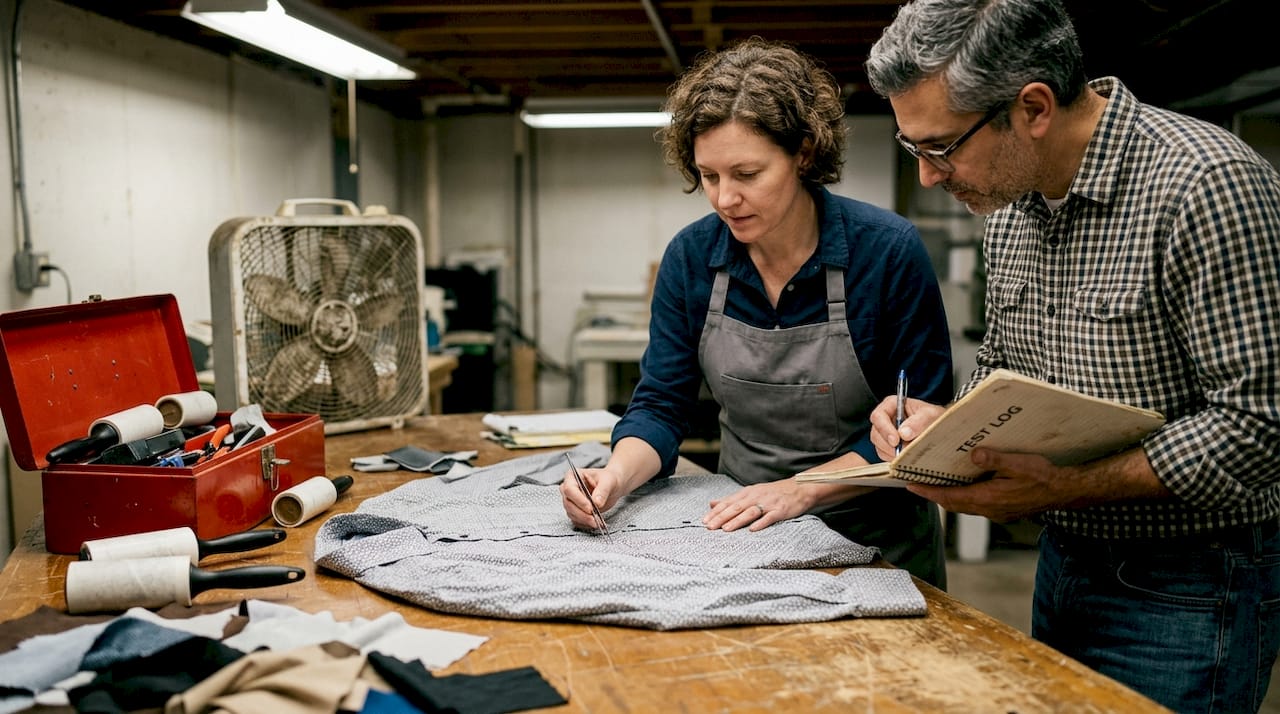
Synthetic fabrics like nylon and spandex require more careful consideration but can produce stunning results when handled correctly. These materials excel in athletic wear, swimwear, and stretch garments where flexibility matters most. Nylon’s smooth surface creates sharp, detailed prints, though you may need to adjust heat settings during application. Spandex blends maintain elasticity while supporting vibrant color transfer.
Blended materials give you flexibility to balance cost, performance, and aesthetic qualities. Tri-blends combining cotton, polyester, and rayon create luxuriously soft fabrics with excellent drape. These premium options appeal to fashion-forward customers willing to pay more for superior comfort and appearance.
Specialty fabrics open doors to niche markets and innovative product lines. Consider materials like:
- Performance moisture-wicking fabrics for athletic brands
- Bamboo blends for eco-conscious product lines
- Canvas and denim for heavy-duty applications
- Fleece and terry cloth for cozy comfort items
Comparing textile materials for DTF printing: pros and cons
A side-by-side comparison reveals how different textile types stack up across the factors that matter most to your printing business. This analysis helps you identify the best match for your specific product requirements and customer base.
| Textile Type | Print Quality | Durability | Feel | Cost | Best Use |
|---|---|---|---|---|---|
| 100% Cotton | Excellent absorption, vibrant colors | Good with proper care | Soft, breathable | Moderate | Casual wear, fashion tees |
| Polyester Blend | Sharp details, color retention | Excellent wash resistance | Smooth, less breathable | Lower | Activewear, uniforms |
| 100% Polyester | Very sharp, bright colors | Superior longevity | Moisture-wicking, synthetic feel | Low | Sports jerseys, technical gear |
| Tri-Blend | Premium appearance, soft hand | Very good | Luxurious drape | Higher | Premium fashion, retail |
| Synthetic Stretch | Crisp when tested properly | Good flexibility retention | Athletic, form-fitting | Moderate to high | Yoga wear, compression garments |
Cotton delivers unmatched softness and natural breathability but requires more careful washing to prevent shrinkage. The fabric can wrinkle easily and may fade faster than synthetic alternatives under harsh conditions. However, customers consistently rate cotton garments highest for everyday comfort and wearability.
Polyester resists wrinkles and moisture while maintaining shape through countless wash cycles. The synthetic nature can feel less breathable in hot weather, and some customers perceive it as lower quality despite superior durability. DTF printing success varies by fabric type; understanding pros and cons aids informed selection. Print adhesion on polyester typically exceeds cotton when you optimize temperature and pressure settings.
Blends provide versatility by combining the best attributes of multiple fiber types. A cotton-polyester blend offers cotton’s comfort with polyester’s durability, creating a practical middle ground. Print outcomes vary based on the exact blend ratio, so testing remains crucial before committing to large production runs.
Pro Tip: Document your successful fabric and settings combinations in a reference guide, building institutional knowledge that streamlines future production and reduces trial and error.
Choosing the right textile material for your DTF printing business
Your fabric selection should align with your brand identity, target market, and specific product applications. Strategic material choices differentiate your offerings and build customer loyalty through consistent quality.
Match fabric characteristics to garment function and customer expectations. Casual everyday wear benefits from soft cotton blends that prioritize comfort over technical performance. Athletic and activewear demand moisture-wicking polyester fabrics that move with the body and dry quickly. Fashion-forward pieces might justify premium tri-blends that command higher price points through superior hand feel and drape.
Follow this decision framework to narrow your options:
- Define your primary product category and typical use scenarios
- Identify must-have fabric properties based on customer needs
- Request samples from suppliers and run test prints
- Conduct wash tests simulating real-world care conditions
- Calculate total cost including fabric, printing, and potential returns
- Start with proven materials before experimenting with specialty options
Prioritize materials that enhance transfer vibrancy and withstand your customers’ care routines. Material choice should align with brand identity, product use, and printing technique for best results. A children’s clothing brand might prioritize soft, durable cotton that survives frequent washing, while a premium streetwear label could justify higher costs for luxury blends that deliver superior aesthetics.
Consider practical factors beyond print quality alone. Fabric availability affects your ability to maintain consistent inventory and fulfill orders promptly. Supplier reliability matters when you build a reputation on specific material qualities. Price fluctuations in commodity fibers like cotton can impact your margins, making diversification across multiple textile types a smart risk management strategy.
Balance cost effectiveness with your brand’s quality standards and positioning. Budget brands can succeed with polyester blends that offer excellent value, while premium labels justify higher fabric costs through superior customer experience and brand perception.
Boost your DTF printing success with Transfer Kingz
Transforming textile knowledge into profitable products requires more than just fabric selection. You need reliable DTF transfer materials that deliver consistent, professional results across diverse textile types. Transfer Kingz specializes in premium DTF solutions designed for clothing businesses and independent designers who refuse to compromise on quality.
Our digital transfer film handles intricate designs with exceptional clarity, ensuring your creative vision translates perfectly onto any compatible fabric. Discover how DTF shirt transfers revolutionize apparel production by eliminating minimums and reducing turnaround times. Whether you’re printing on cotton, polyester, or specialty blends, our proven materials and expert guidance help you achieve vibrant, durable results that keep customers coming back. Visit Transfer Kingz to explore our complete range of DTF printing solutions and elevate your apparel business.
FAQ
What textile materials are best for vibrant DTF prints?
Cotton and polyester blends are widely recognized for producing vibrant DTF prints that satisfy customer expectations. Natural fibers absorb ink effectively, creating rich color saturation, while synthetics offer enhanced durability and color retention through multiple wash cycles. The best fabrics for DTF printing balance these properties based on your specific product requirements and target market preferences.
Can I use synthetic fabrics like nylon for DTF printing?
Yes, synthetic fabrics including nylon work well for DTF printing when you adjust application parameters appropriately. Testing remains essential to ensure proper adhesion and durability on these materials. Some synthetics may require modified heat settings or special preparation steps to achieve optimal bonding. Start with small test runs before committing to full production on any synthetic fabric you haven’t used previously.
How do fabric blends impact the quality of DTF prints?
Fabric blends combine desirable characteristics like softness, durability, and excellent print adhesion into single materials. They often balance cost considerations with the visual appearance and tactile feel that customers value. A 50/50 cotton-polyester blend, for example, offers cotton’s comfort with polyester’s wrinkle resistance and longevity. Understanding fabric blends and DTF print quality relationships helps you select materials that meet both performance and budget requirements.
What are pro tips for selecting textiles for DTF printing?
Test small fabric samples before committing to large production runs, saving money and avoiding customer disappointment. Conduct thorough wash tests that simulate real-world care conditions your customers will use. Choose textiles that align naturally with your brand style, product positioning, and intended use scenarios. Document successful combinations of fabrics and print settings to build repeatable processes. These fabric selection tips help you develop expertise that becomes a competitive advantage in your market.
0 comments