

Choosing the best printing method for your apparel business can feel like a major decision when every detail counts in quality and versatility. The comparison between Direct-to-Film (DTF) and sublimation printing matters, especially for brands aiming to offer vibrant, long-lasting designs across different fabrics. From American cotton tees to European activewear, understanding each method’s strengths will help you deliver standout merchandise that meets your creative and production goals.
Table of Contents
- Dtf And Sublimation Printing Explained
- How Each Printing Method Works
- Material Compatibility And Use Cases
- Cost, Durability, And Print Quality Compared
- Common Mistakes And Choosing The Right Method
Key Takeaways
| Point | Details |
|---|---|
| DTF Printing Versatility | DTF printing works with a wide range of fabrics, including cotton and blends, making it suitable for diverse apparel needs. |
| Sublimation Printing Benefits | Sublimation printing excels with polyester and polymer-coated materials, providing vibrant, long-lasting prints. |
| Cost Considerations | DTF typically requires higher initial investments, while sublimation offers a more affordable entry point for businesses. |
| Test Printing Importance | Always conduct test prints to ensure the chosen technique aligns with your fabric and design requirements before full production. |
DTF and Sublimation Printing Explained
The world of custom apparel decoration offers multiple innovative printing techniques, with Direct-to-Film (DTF) and sublimation printing emerging as two powerful methods for transforming textile designs. Each technique brings unique capabilities and limitations to small clothing brands and independent apparel decorators seeking high-quality merchandise production.
DTF printing is a contemporary digital printing process where designs are meticulously printed onto specialized PET film using advanced ink technologies. Digital transfer film enables precise design placement across a remarkable range of fabric types. The core process involves several critical steps:
- Printing design onto special transfer film
- Applying white and color inks strategically
- Coating the design with adhesive powder
- Heat transferring the design onto fabric surfaces
- Producing vibrant, durable prints with exceptional detail
Sublimation printing, in contrast, operates through a fascinating scientific process where solid dyes transform directly into gas under precise heat and pressure. This technique predominantly works with polymer-based substrates like polyester fabrics, creating prints that become embedded within the material fibers themselves.
Key differences between these two printing methods include:
- Fabric compatibility
- Color vibrancy
- Production complexity
- Cost per print
- Design intricacy potential
While DTF offers versatility across multiple fabric types, sublimation printing excels with polyester and polymer-coated materials. The choice between these techniques depends on your specific project requirements, fabric composition, and desired aesthetic outcome.
Pro tip: Always test print small batches to determine which technique best matches your specific fabric and design needs.
Here’s how DTF and sublimation printing compare across key business-impact factors:
| Factor | DTF Printing | Sublimation Printing |
|---|---|---|
| Fabric Versatility | Works with cotton, blends, synthetics | Limited to polyester, coated substrates |
| Print Durability | Strong adhesion, softens after washes | Embedded into fibers, highly resistant |
| Initial Investment | Higher equipment and material cost | Lower equipment cost, affordable setup |
| Design Complexity | Handles intricate, multi-color designs | Best for vibrant, continuous-tone images |
| Production Speed | Moderately fast, multi-step process | Fast, minimal post-processing required |
How Each Printing Method Works
Direct-to-Film (DTF) and sublimation printing represent two sophisticated techniques for transforming digital designs onto fabric, each with a unique operational methodology. DTF printing involves precise multi-step processes that enable remarkable design flexibility across various textile surfaces.
The DTF printing process unfolds through several critical stages:
- Design creation using advanced digital graphic software
- Printing the design onto specialized PET transfer film
- Strategic application of white and color DTF inks
- Carefully spreading adhesive powder across wet ink
- Curing the adhesive through precise temperature control
- Heat pressing the film onto fabric surfaces
- Carefully peeling the film to reveal the final design
Sublimation printing operates through an equally intricate but fundamentally different scientific approach. This technique transforms solid ink directly into gas under controlled heat and pressure, embedding the design permanently within polymer-based fabric fibers. Sublimation requires specific transfer paper and substrate preparation to achieve optimal results.
The sublimation printing workflow typically includes:
- Designing digital artwork with specialized software
- Printing the design onto sublimation transfer paper
- Positioning transfer paper on polyester or polymer-coated material
- Applying precise heat press conditions
- Converting ink from solid directly to gas state
- Permanently embedding the design into fabric fibers
Pro tip: Invest in high-quality transfer materials and carefully calibrate your heat press settings to ensure consistent, professional-grade printing results.
Material Compatibility and Use Cases
DTF and sublimation printing excel in different material domains, offering unique advantages for specific fabric types and design requirements. Fabric compatibility varies significantly between these two printing techniques, making material selection crucial for achieving optimal print results.
DTF printing demonstrates remarkable versatility across fabric types, including:
- 100% cotton garments
- Cotton-polyester blends
- Nylon materials
- Dark and light-colored fabrics
- Synthetic and natural fiber textiles
The white ink base in DTF printing enables exceptional color reproduction and design clarity on diverse fabric backgrounds, allowing unprecedented flexibility for apparel decorators and small clothing brands.
Sublimation printing, in contrast, operates within more restrictive material parameters. This technique exclusively works with:
- 100% polyester fabrics
- Polymer-coated surfaces
- Light-colored substrates
- Synthetic performance wear
- Promotional product blanks
Each printing method presents distinct use cases that align with specific project requirements. DTF shines in versatile garment decoration, while sublimation dominates specialized polyester applications like athletic wear, team uniforms, and performance merchandise.
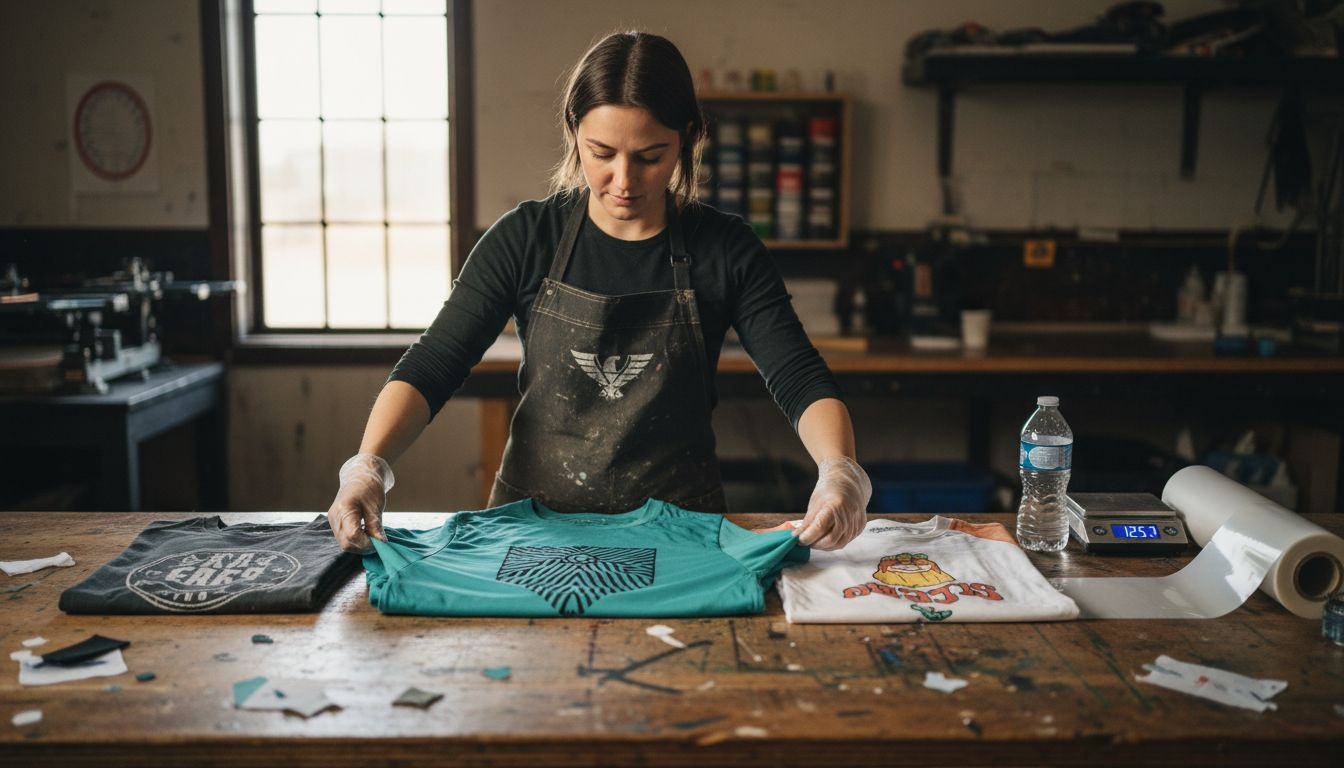
Pro tip: Always conduct test prints on sample materials to confirm color vibrancy and design transfer quality before committing to full production runs.
This table helps identify which use cases align best with each printing method:
| Use Case | Best Method | Why It Excels |
|---|---|---|
| Custom cotton T-shirts | DTF Printing | Adheres well to natural fibers |
| Athletic uniforms | Sublimation Printing | Superior on polyester, no fading |
| Promotional mugs | Sublimation Printing | Bonds to polymer-coated surfaces |
| Fashion with dark fabrics | DTF Printing | White ink enables full-color designs |
| Short-run prototypes | Both | Low setup cost, fast turnaround |
Cost, Durability, and Print Quality Compared
Print technology investments demand careful evaluation of performance, cost, and long-term quality across different printing methods. DTF and sublimation printing present distinct economic and quality considerations that can significantly impact apparel decoration strategies.
Cost considerations for each printing technique include:
- Initial equipment investment
- Per-print consumable expenses
- Ink and transfer material costs
- Long-term maintenance requirements
- Scalability potential
DTF printing typically involves higher startup costs due to specialized printers and consumables. However, it offers remarkable flexibility with vibrant, durable prints that adhere strongly to diverse fabric types. Small clothing brands benefit from its ability to produce high-quality designs across multiple material surfaces.
Sublimation printing presents a different economic profile:
- Lower entry-level equipment costs
- Excellent color vibrancy on polyester
- Superior wash resistance
- Minimal post-production processing
- Consistent print quality on compatible materials
Print durability varies between techniques, with sublimation creating embedded designs that resist fading, while DTF transfers maintain strong adhesion with a slightly raised texture that softens after multiple washes. Each method offers unique advantages depending on specific project requirements and fabric compositions.
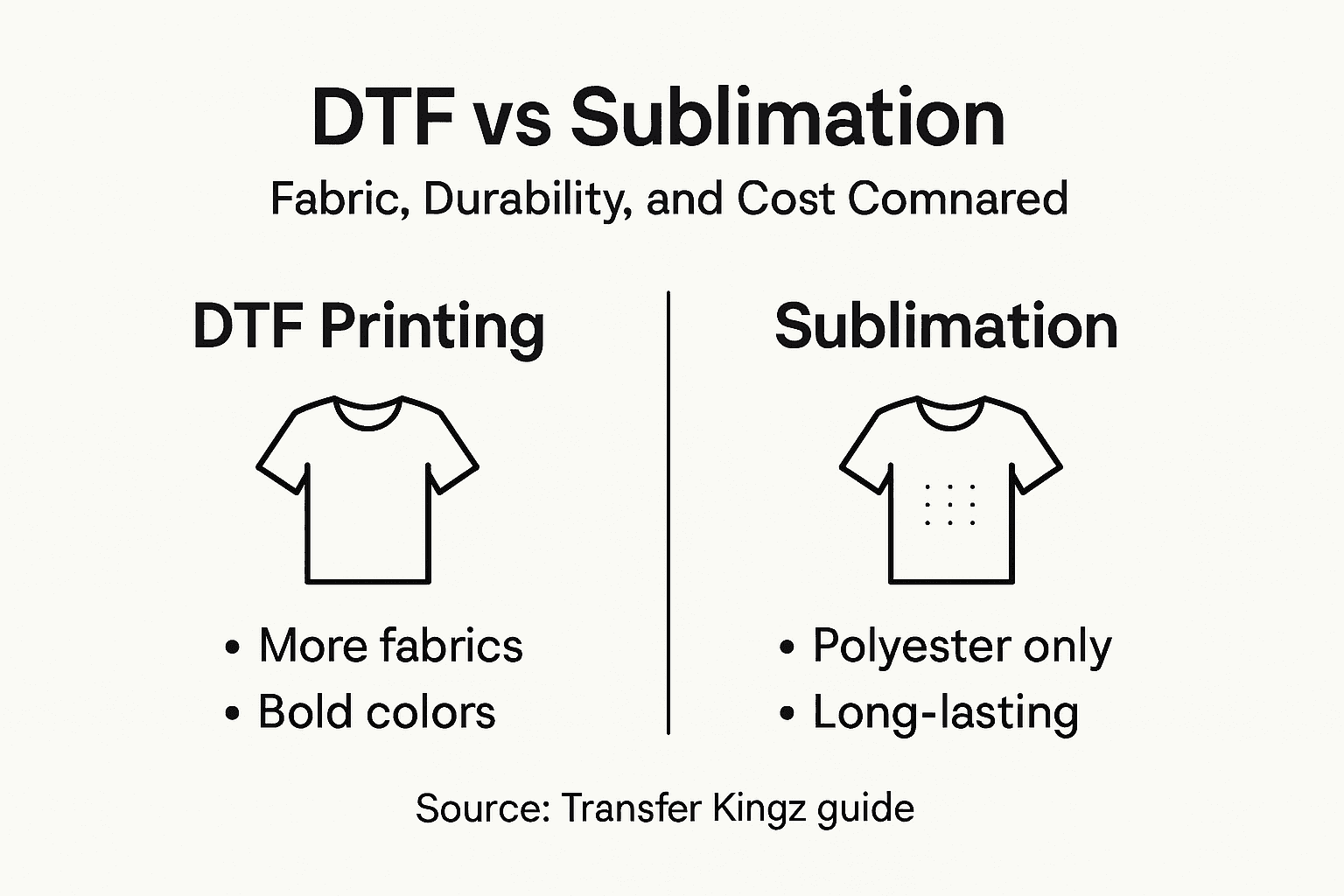
Pro tip: Calculate your total cost of ownership by comparing equipment expenses, ink consumption, and potential design versatility before selecting your preferred printing technology.
Common Mistakes and Choosing the Right Method
Apparel printing technologies require nuanced understanding to maximize production efficiency and design quality. Strategic method selection depends on multiple critical factors that extend beyond basic technical specifications.
Common mistakes in DTF and sublimation printing include:
- Mismatching fabric composition with printing technique
- Overlooking temperature and pressure settings
- Inadequate pre-treatment of materials
- Ignoring ink and transfer paper quality
- Failing to test print before bulk production
DTF printing demands precise technique, particularly during powder application and heat transfer. Improper curing can lead to design cracking, reduced durability, and inconsistent print quality. Small clothing brands must meticulously control each production step to ensure professional results.
Sublimation printing presents its own set of potential pitfalls:
- Using non-polyester fabrics
- Attempting prints on dark materials
- Neglecting heat press calibration
- Selecting low-quality transfer papers
- Ignoring substrate coating requirements
Successful businesses often leverage both printing methods strategically, selecting DTF for cotton and dark materials, and sublimation for performance polyester and specialized hard goods. Understanding each technique’s strengths allows for more flexible and cost-effective production approaches.
Pro tip: Invest in comprehensive training and maintain a sample library to quickly identify the most suitable printing method for each unique project.
Choose the Right Printing Method with Confidence and Quality
Struggling to decide between DTF and sublimation printing for your apparel projects can slow down your creative process. This guide highlighted the importance of fabric compatibility, print durability, and production cost in making the best choice. If your goal is vibrant, durable, and intricate designs across various fabrics including cotton and blends, DTF printing is an excellent solution. It solves common challenges like applying complex multi-color designs on dark or light garments while delivering professional results.
Experience these benefits firsthand with our premium DTF transfers, custom apparel printing, heat transfers, t-shirt printing, high-quality prints – Transfer Kingz.
Take the next step by exploring our easy-to-use platform at Transfer Kingz where you can upload your designs, create small or bulk runs with no minimum order, and get fast turnaround times. With our high-quality films and inks, you can overcome typical print challenges and watch your apparel ideas come to life. Don’t let uncertainty hold back your business or hobby. Discover the power of versatile and vibrant DTF printing now and make your apparel stand out.
Frequently Asked Questions
What is the main difference between DTF and sublimation printing?
DTF (Direct-to-Film) printing offers versatility across various fabric types, including cotton, whereas sublimation printing is limited to polyester and polymer-coated substrates. DTF uses a multi-step process with special transfer films, while sublimation embeds the design into the fabric fibers through a heat and gas transformation process.
Which printing method is more suitable for intricate designs?
DTF printing excels with intricate and multi-color designs due to its ability to handle various fabric types and apply white ink. Sublimation printing is best for continuous-tone images but has limitations with design intricacy and fabric compatibility since it works exclusively with polyester materials.
How do the costs compare between DTF and sublimation printing?
DTF printing typically requires a higher initial investment for specialized equipment and consumables. In contrast, sublimation printing has lower setup costs but is limited to specific materials. Overall costs depend on factors like per-print expenses and long-term maintenance.
What types of fabrics can I use with DTF and sublimation printing?
DTF printing is compatible with a wide range of fabrics, including 100% cotton, cotton blends, and synthetic materials. Sublimation printing is only suitable for 100% polyester fabrics and polymer-coated substrates, making the choice of fabric critical for successful results.
Recommended
- Why Choose DTF Transfers for Apparel Printing – Transfer Kingz
- What Is DTF Printing: Transforming Custom Apparel – Transfer Kingz
- How dtf shirt transfers are Revolutionizing Custom Apparel – Transfer Kingz
- How DTF Printing Works: Boost Custom Apparel Quality – Transfer Kingz
- Role of Prints in Apparel—Boosting Style and Sales - fabric fabric
- Understanding Sweatshirts: Versatile Apparel Explained – WorkWearComfort
0 comments